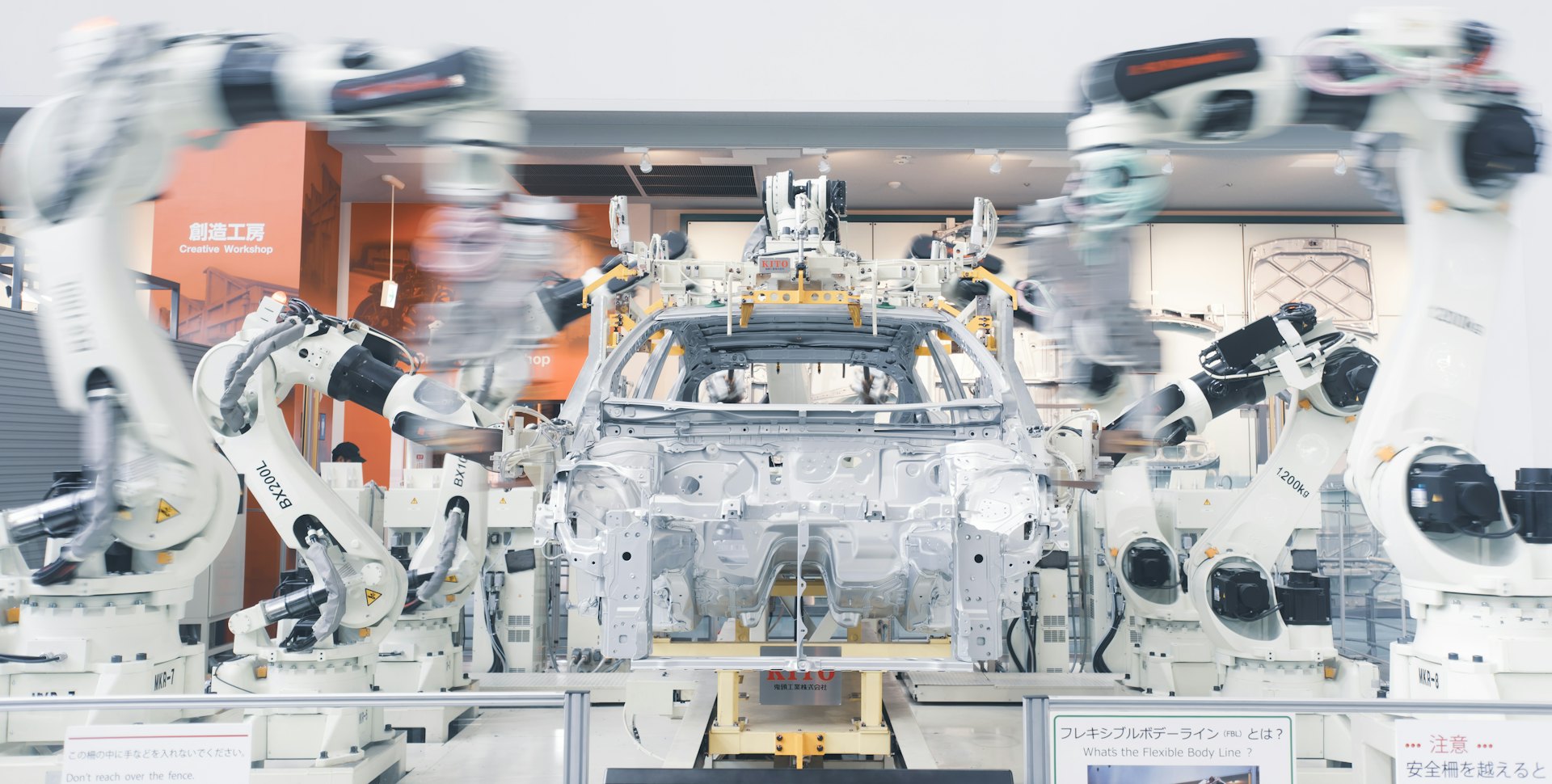
Almost every fabrication shop eventually asks the same question: should the next weld station be a manual fixture or a robotic welding cell? The answer depends far less on the technology than on the part and the production plan around it.
1. Start with volume and takt time
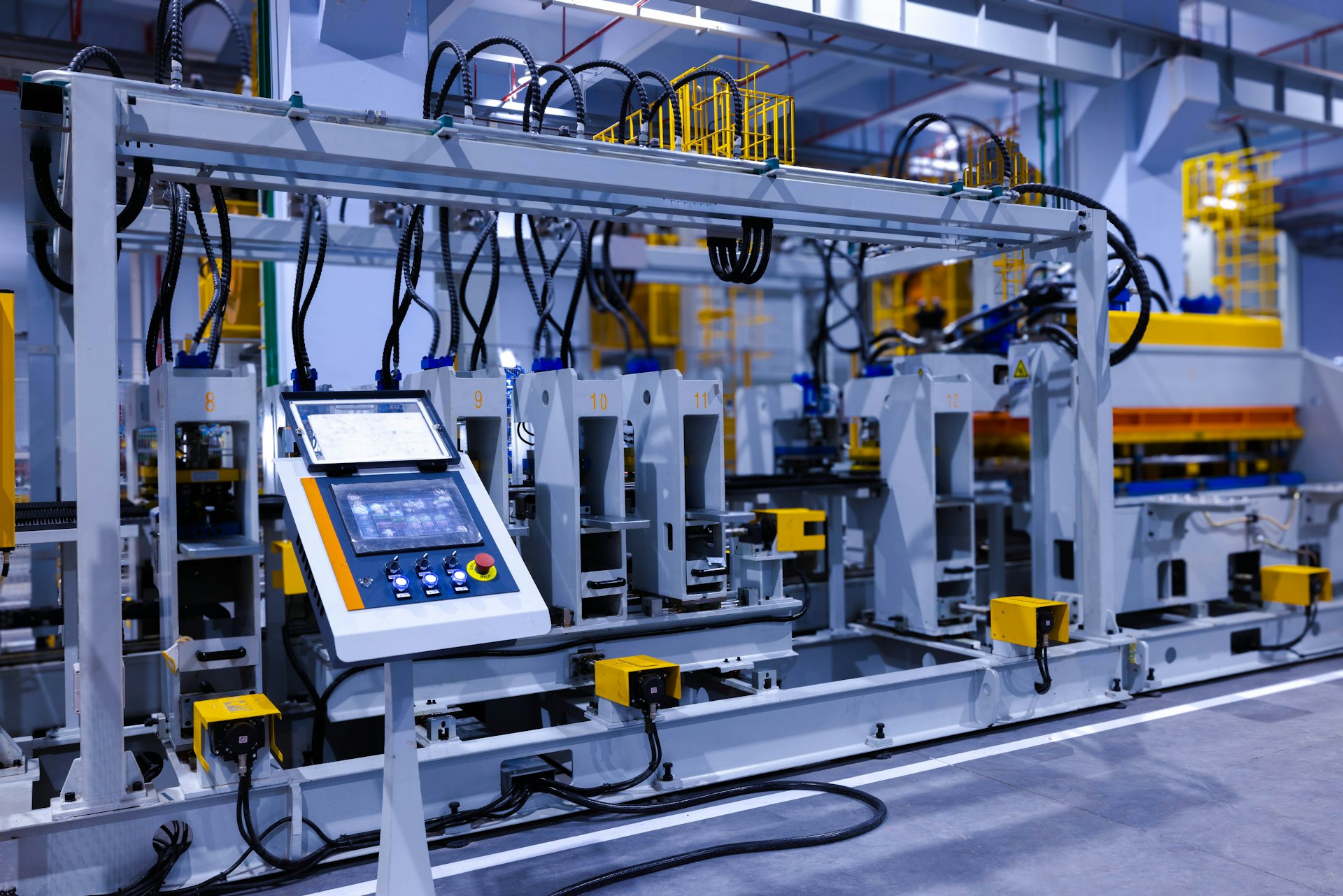
Robotic cells shine when the same family of parts runs every day. If your required takt time is short and volumes are steady, a robot delivers the same weld at the same speed every cycle, while a manual station depends on the welder's pace and fatigue.
2. Look at weld quality and consistency
Robots hold torch angle, travel speed and stick-out precisely. For safety-critical parts such as chassis, swing arms and seat frames, that consistency often matters more than raw speed.
3. Count the hidden costs of manual welding
- Rework and rejection caused by inconsistent welds
- Dependence on skilled welders, who are increasingly hard to hire
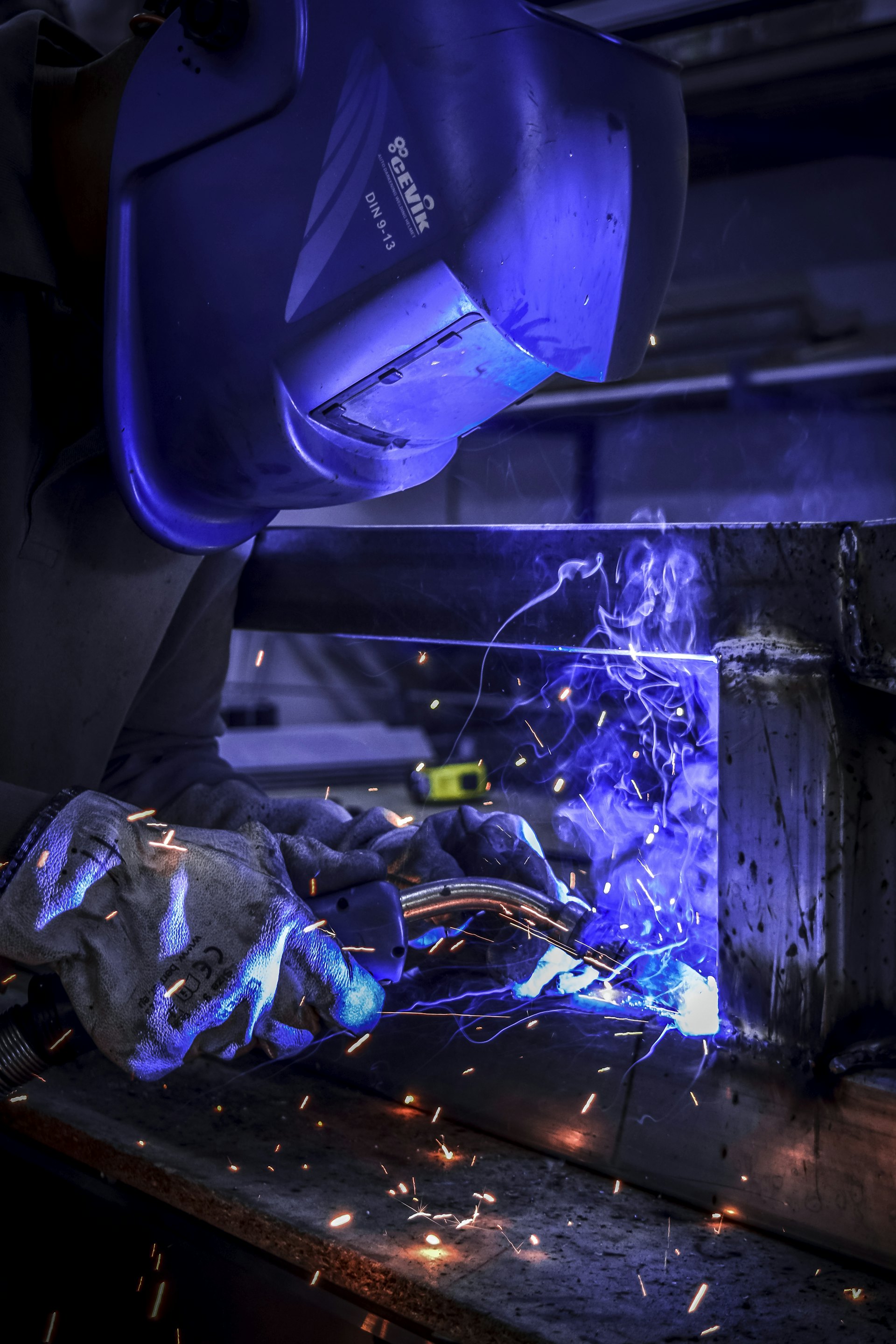
- Operator fatigue and safety exposure to fumes and arc
- Inspection effort needed to catch variation
4. Remember the fixture matters in both cases
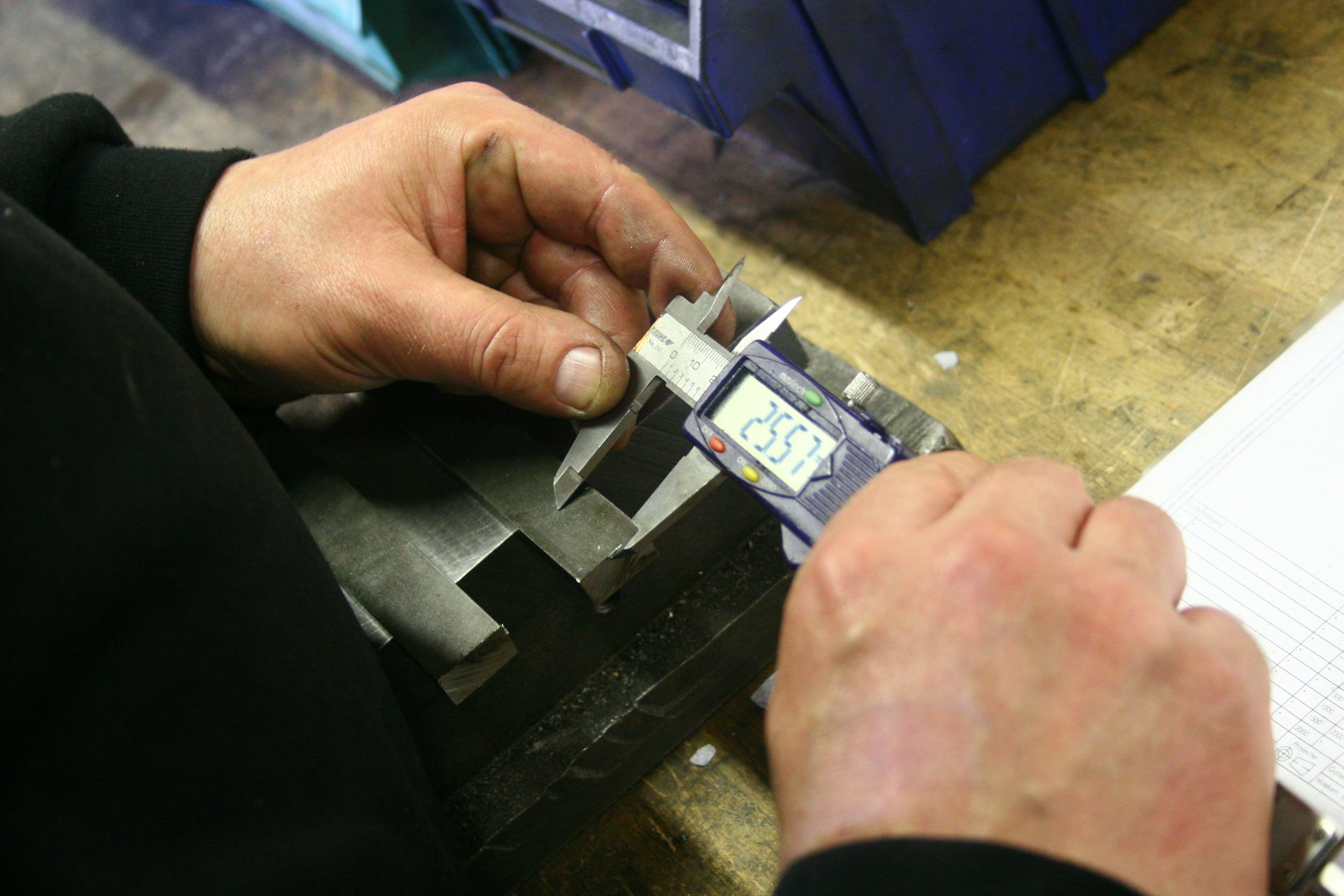
A robot is only as accurate as the fixture that holds the part. Robotic fixtures need tighter locating accuracy, part-presence sensing and poka-yoke so the robot never welds a mis-loaded part. That is why we design the fixture and the cell together.
A practical rule of thumb
If a part family runs in steady volume, has quality-critical welds and you are struggling to staff skilled welders, a robotic cell is usually worth a detailed study. Share your part drawing and volumes with us and we will help you compare both options.